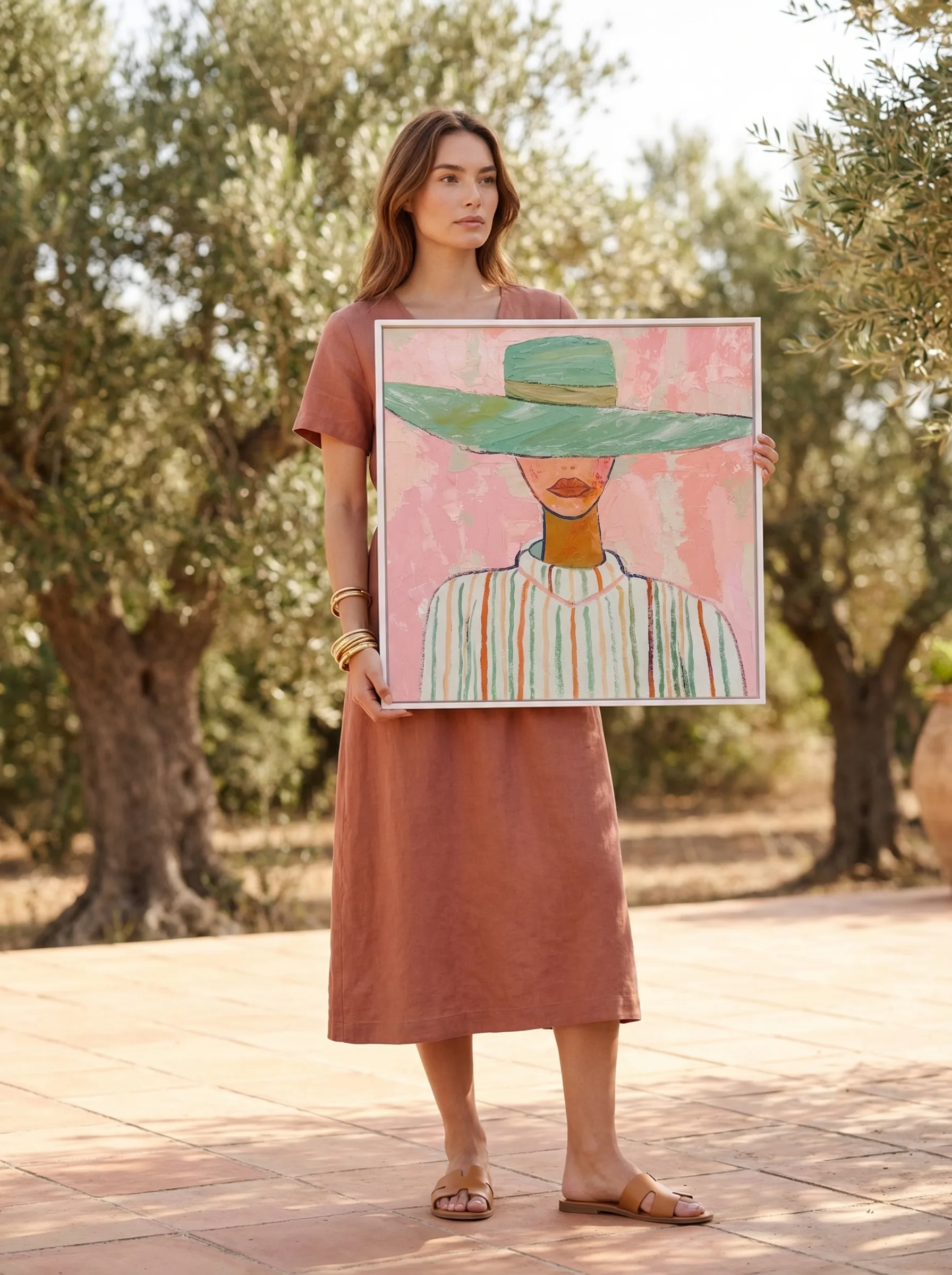
AI Product Photography: Generating Professional Scenes Instantly (2026)
AI product photography has moved past the experimental phase. Brands across every e-commerce category are using it to generate professional listing images, lifestyle scenes, and editorial photography from a single product photo — in minutes, not weeks. This guide shows what AI product photography actually produces across 11 different product categories, how it works, and when it's the right tool for your business.
Updated: April 2026
What Is AI Product Photography?
AI product photography uses machine learning to generate professional product images from a single input photo. You upload a photo of your product. The AI analyzes the product — its category, aesthetic, materials, and positioning — and generates a complete set of images: white background main images, lifestyle scenes, on-model shots, feature callouts, and more.
The key distinction from generic AI image tools like Midjourney or DALL-E: AI product photography tools work from your actual product, not a text description. The output represents your real product in generated scenes — not a product that looks like yours.
For e-commerce sellers, this matters for two reasons: accuracy (the image must truthfully represent what you're selling) and brand consistency (the same product must look the same across every image in your listing).
The Problem AI Product Photography Solves
Professional product photography is expensive, slow, and hard to scale.
A single product shoot with a professional photographer costs $200–600 per SKU. For a catalog of 50 products, that's $10,000–30,000 — before you've sold a single unit. Add model fees for fashion, location fees for lifestyle shots, and post-production time, and the real cost is higher.
The turnaround is equally painful. Scheduling a photographer, shipping samples, shooting, editing, and delivering final images takes 2–4 weeks per batch. New SKUs wait. Seasonal campaigns get delayed. Listings go live with placeholder images.
AI product photography compresses the timeline from weeks to hours and the cost from thousands to a monthly subscription — while generating images that are platform-optimized, visually consistent, and ready to upload.
GreenOnion.ai AI product photography tool - generate professional images from one photo, no photoshoot needed.
Who Uses AI Product Photography
Amazon FBA sellers who need a compliant 9-image listing set for every new SKU — white background main image, feature callouts, lifestyle secondary images — without scheduling a photoshoot for each product.
Etsy sellers who need lifestyle photography that communicates the handmade, warm aesthetic Etsy buyers expect — but don't have the props, locations, or models to produce it at scale.
Shopify brand owners building a visually consistent catalog where every product looks like it belongs to the same brand, photographed on the same day.
Fashion brands who need on-model lifestyle photography without model casting, travel, and studio costs for every new style.
What AI Can Generate: 11 Product Categories
The range of scenes AI product photography can generate is broader than most sellers realize. Here's what it looks like across different categories.
Jewelry — Amazon Listing (Infinity Symbol Bracelet)
[Image: Infinity Symbol Bracelet — 9-image Amazon listing set]
Amazon jewelry requires pure white background main images, feature callout infographics showing the cubic zirconia detail, scale reference shots, and lifestyle secondary images showing the piece worn. The AI generates all 9 — compliant white background for the main image, close-up detail insets showing precision cuts and adjustable chain, lifestyle shots worn across casual, evening, and gifting contexts.
Scene type: White studio + lifestyle Human presence: Wrist and hand shots Platform: Amazon
Jewelry — Etsy Lifestyle (Raw Blue Apatite Bracelet)
[Image: Raw Blue Apatite Sterling Silver Bracelet — Etsy lifestyle set]
Etsy jewelry buyers respond to warmth, texture, and story. The same product category as above — but a completely different visual language. Coastal natural light, sea glass props, linen surfaces, full-body model in organic linen styling. The AI matches the scene to the product's raw gemstone aesthetic — not the same setup applied to a different product.
Scene type: Coastal lifestyle, natural props Human presence: Full model, wrist detail, hand shots Platform: Etsy
Home Goods — Etsy Lifestyle (Jemima Puddle-Duck Ceramic Mug)
[Image: Ceramic mug — full 9-image Etsy listing following Product → Context → Interaction → Emotion arc]
Ceramic mugs are an emotional purchase on Etsy — buyers want to imagine their morning ritual. The AI follows the 4-stage visual story: product flat lay → styled surface context → hands cradling → full person in window light moment. The illustration detail gets its own close-up. The gifting moment gets its own frame. Nine images that answer every buyer question across the full emotional arc.
Scene type: Interior lifestyle, botanical props Human presence: Hands → full person with face Platform: Etsy
Tools & Hardware — Amazon Listing (Heavy Duty Pruning Shears)
[Image: Heavy Duty Bypass Pruning Shears — 9-image Amazon listing set]
Dark metal tools on white backgrounds are notoriously difficult to photograph — the product absorbs light and the background turns gray. AI eliminates the ambient light problem: the main image renders with correct black metal contrast against true white. Feature callouts show the blade sharpness, safety lock, and ergonomic grip. Lifestyle shots place the product in garden action. The use case grid shows versatility across rose pruning, hedge shaping, and harvesting.
Scene type: White studio + garden action Human presence: Hands in use Platform: Amazon
Health & Wellness — A+ Content (Nutricost Creatine)
[Image: Nutricost Creatine — 6-module A+ Content set]
Supplement A+ Content needs to do heavy persuasion work: establish aspiration (Hook), prove performance (Core Selling Points), create authenticity (Scene Proof), answer ingredient doubts (Doubt Removal), build trust (Result Proof), and close on identity (Close). The AI generates all 6 modules — from the finish-line lifestyle hook to the mountain-summit closing scene — with consistent teal brand color, women-specific positioning, and wellness aesthetic throughout.
Scene type: Athletic lifestyle, performance scenes Human presence: Full model, active poses Platform: Amazon A+ Content
Supplements — A+ Content (Sweet Wormwood Tincture)
[Image: OneBotanicl Sweet Wormwood Tincture — 6-module A+ Content set]
Natural wellness supplements need a different aesthetic than performance supplements — softer, more botanical, more domestic. The AI adjusts the entire visual vocabulary: sunlit terrace, kitchen prep context, raw herb ingredients alongside the finished product, gut health visualization. Same 6-module A+ structure as the creatine example — completely different scene world because the product is different.
Scene type: Natural wellness, botanical scenes Human presence: Full model, lifestyle moments Platform: Amazon A+ Content
Fashion — Coastal Editorial (White Linen Shirt)
[Image: White linen shirt — 4-angle Mediterranean fashion set]
Fashion photography AI doesn't just put a garment on a model — it selects a model and scene that match the product's positioning. A white linen shirt signals coastal, warm-weather, effortless luxury. The AI generates a Mediterranean terrace setting with bougainvillea, stone floors, sea view — and a model whose presentation matches that aesthetic. Four angles: front, three-quarter, side, back. The shirt's drape and fit are visible from every direction.
Scene type: Mediterranean coastal Human presence: Full model, 4 angles Platform: Shopify/fashion
Fashion Accessories — Catalog (Wide-Brim Hat)
[Image: Wide-brim hat — catalog set showing 4 angles]
Hat photography needs to show how the hat sits, how it shades, and how it moves. The AI generates the same model in four deliberate positions — front facing, smiling three-quarter, side profile, turned away — all in the same Mediterranean setting, at the same scale. Catalog photography: the product is the subject, the model is the frame. The visual consistency across all four shots is something a real photoshoot can produce only by shooting all four angles in the same session with the same model.
Scene type: Mediterranean terrace Human presence: Full model, pose variations Platform: Shopify/fashion/Amazon
Fashion Accessories — Editorial (Aviator Sunglasses)
[Image: Aviator sunglasses — lifestyle editorial set]
Same model. Same location family. Different product — different visual strategy. Sunglasses are sold as a lifestyle, not a specification. The AI shifts from catalog logic to editorial logic: model seated under a linen canopy with champagne visible, holding sunglasses mid-scene, walking purposefully along a stone terrace. The sunglasses are present in every frame but the frame is the world they enable, not a feature demonstration.
Scene type: Luxury Mediterranean editorial Human presence: Full model, lifestyle moments Platform: Shopify/fashion
Home Decor / Art — Interior Lifestyle (Abstract Wall Art)
[Image: Abstract wall art print — interior lifestyle set]
Wall art needs to be seen in context — buyers need to imagine it in their space. The AI generates multiple interior scenes: bedroom above a linen headboard, living room above a console with monstera plant, bright white living room with minimal styling, Provençal-style salon. Each scene communicates a different home aesthetic the art could live in. The close-up texture shot shows the thick impasto brushstroke quality that justifies an art purchase. A styled flat lay with paint brush shows the creation context.
Scene type: Interior lifestyle, multiple room settings Human presence: Woman with painting in workspace, contemplative viewer Platform: Etsy/Shopify
Electronics — Tech Editorial (iPhone MagSafe Case)
[Image: iPhone MagSafe Case — Amazon A+ tech editorial set]
Electronics photography requires a completely different visual language: clean, technical, precise. Dark backgrounds, dramatic lighting, product geometry as the visual subject. The AI generates a tech editorial aesthetic — floating product against dark studio, MagSafe attachment demonstration, pocket-insertion action shot, multi-layer build exploded view, comparison table showing MagSafe compatibility vs incompatible case. The lifestyle close is a man in a city holding the phone — aspirational but grounded.
Scene type: Dark studio, tech editorial, urban lifestyle Human presence: Hands in use, full person closer Platform: Amazon listing + A+ Content
How It Works
The generation process is the same regardless of product category:
Step 1 — Upload one product photo A clear photo where the product is fully visible. Doesn't need to be studio quality — a clean smartphone photo on a plain surface works. The AI analyzes the product, not the input photo's background.
Step 2 — Select your module Choose the platform and module: Amazon Listing, Amazon A+ Content, Shopify, Etsy, Fashion, or Product Photography. The module determines the visual logic applied — white background compliance for Amazon, lifestyle arc for Etsy, editorial aesthetic for fashion.
Step 3 — The AI generates the full set The system selects the appropriate scene type, model (if applicable), lighting, props, and composition for your product's category and positioning. You don't choose these — the AI applies them based on what your product is.
Step 4 — Review and download Review the output. Most sellers use 7–9 of the generated images directly. Download and upload to your listing.
What AI Product Photography Can't Do
Honest limitations matter:
- Cannot invent product details — if your input photo doesn't show a feature, the AI can't generate an accurate close-up of it
- Cannot replicate a highly specific established brand aesthetic — approximates, doesn't perfectly match
- Works best for single-product shots — multi-product arrangements are harder
- Input quality matters — a blurry or obscured product photo produces weaker output
Frequently Asked Questions
Is AI product photography allowed on Amazon and Etsy? Yes on both platforms as of 2026, as long as the images accurately represent the product being sold. The generation method isn't the issue — accuracy is.
How does AI know what scene to generate for my product? The AI analyzes your product's category, materials, aesthetic, and positioning from the input photo, then applies scene logic appropriate to that product type and the platform module you selected. A raw gemstone bracelet gets a coastal natural scene. A MagSafe phone case gets a dark tech editorial. The selection is automatic.
Can I use the same AI-generated images on multiple platforms? Not optimally. Amazon requires white background main images. Etsy performs better with lifestyle primary images. Shopify needs brand-consistent catalog shots. GreenOnion generates platform-specific sets — you run the same product through the Amazon module and the Etsy module separately to get images optimized for each.
How does AI product photography compare to hiring a photographer? A professional photographer gives you the highest-fidelity output for complex products where precision is critical. AI gives you platform-optimized, visually consistent images across your entire catalog in hours instead of weeks, at a fraction of the cost. Most sellers use AI for catalog coverage and professional photography for hero campaign imagery.
What's the minimum input photo quality needed? The product needs to be clearly visible and fully in frame. Correct lighting and background in the input photo are not required — the AI builds the scene from scratch around your product. A clear smartphone photo in natural light is sufficient input for most products.
Generate professional product photography across any category at GreenOnion.ai — one product photo, platform-optimized scenes, ready to publish.
Frequently Asked Questions
Is AI product photography allowed on Amazon and Etsy?
Yes on both platforms as of 2026, as long as the images accurately represent the product being sold. The generation method isn't the issue — accuracy is.
How does AI know what scene to generate for my product?
The AI analyzes your product's category, materials, aesthetic, and positioning from the input photo, then applies scene logic appropriate to that product type and the platform module you selected. A r
Can I use the same AI-generated images on multiple platforms?
Not optimally. Amazon requires white background main images. Etsy performs better with lifestyle primary images. Shopify needs brand-consistent catalog shots. GreenOnion generates platform-specific se
Skip the studio. Get professional product photos instantly.
Upload one product photo — GreenOnion generates clean studio shots, lifestyle scenes, and platform-ready images in minutes.
Try GreenOnion freeRelated Articles
AI Product Photography for Amazon: The Complete Guide (2026)
Is AI product photography allowed on Amazon? What can it generate? This complete guide covers compliance, capabilities, limitations, and real examples.
Amazon ListingAI Jewelry Product Photography for Amazon Listings (2026)
Jewelry is one of the hardest Amazon categories to photograph. This guide covers white background compliance, 9-image strategy, and how AI handles reflective surfaces.
FashionHow to Start a Clothing Brand with AI-Generated Models (2026)
Hiring models costs $500-2000 per day. AI models don't. This guide covers whether AI models actually convert, how to execute them correctly, and real examples.