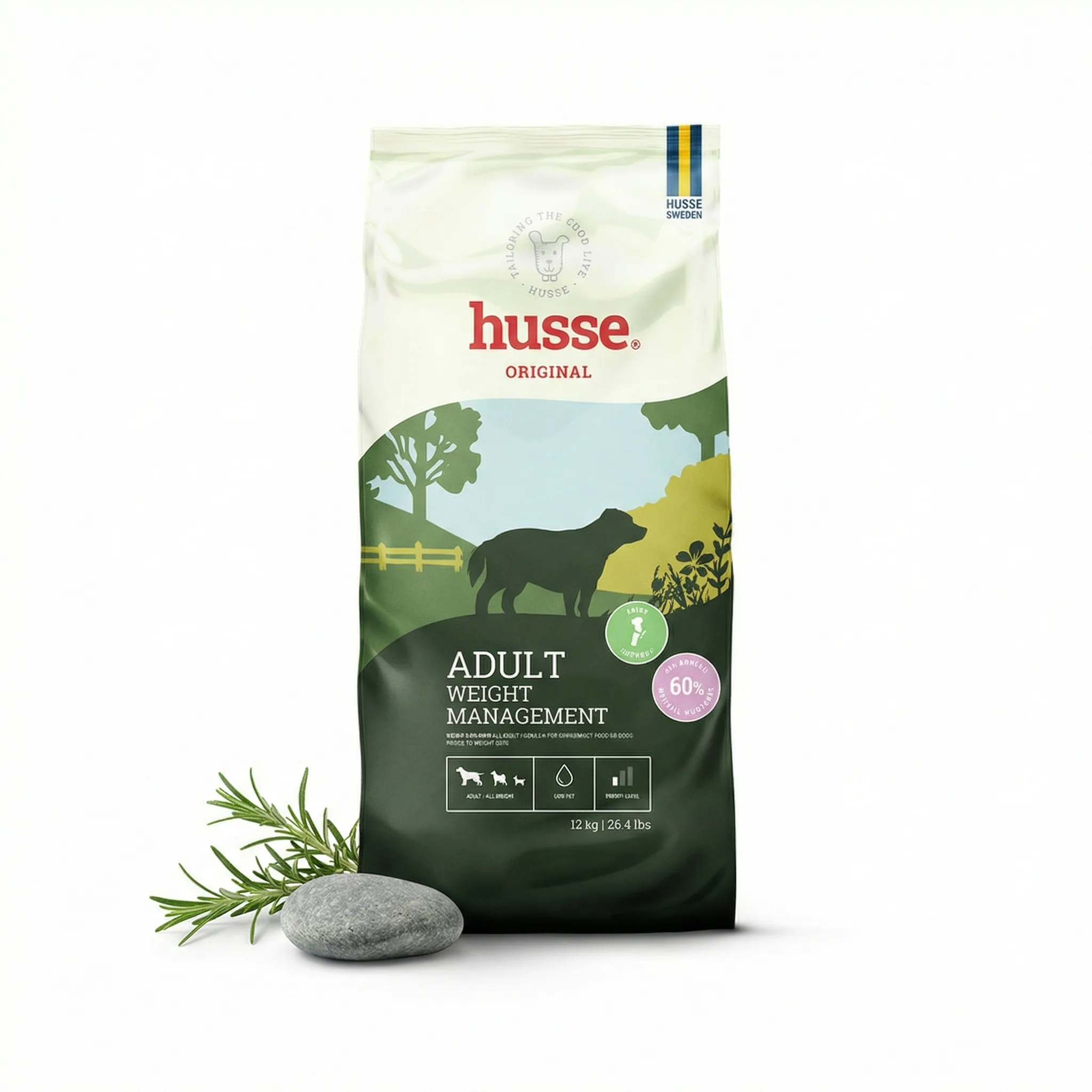
Amazon sellers evaluating AI photography want one answer: does it actually convert? The honest answer is that it depends on execution quality, not the tool. Well-executed AI images match real photography on conversion. Poorly executed AI images hurt it. This guide breaks down when each approach wins.
Updated: April 2026
What We're Comparing
Real product photography means hiring a photographer or shooting DIY with a camera or smartphone. AI product photography means generating listing images from a product photo using specialized ecommerce AI tools — not general tools like Midjourney, which don't use your actual product.
The Problem
GreenOnion.ai Amazon product image generator - generate professional images from one photo, no photoshoot needed.
Sellers assume real photography always outperforms AI. That assumption leads to expensive photoshoots for every new SKU, slow time to market, and inconsistent catalog quality when different photographers are used across different shoots.
Who This Is For
Amazon sellers deciding between investing in professional photography versus AI image generation for new SKU launches or catalog refreshes.
When AI Wins
Catalog scale: AI generates consistent images across 50+ SKUs faster and cheaper than any photography workflow. Real photography degrades in consistency as catalog size grows — different sessions, different lighting, different photographers.
Speed to market: AI generates a complete 9-image set in minutes. A professional shoot takes 2–4 weeks from scheduling to delivery.
White background compliance: AI generates pure RGB 255,255,255 backgrounds by design. DIY photography consistently struggles with off-white outputs that require editing.
When Real Photography Wins
Hero campaign imagery: For a brand launch or major seasonal push, professional photography produces higher-fidelity results for complex products.
Very high price points: $500+ products where buyers scrutinize every image detail benefit from maximum-quality photography.
Highly technical products: Products where exact mechanical detail is a primary selling point may need real macro photography for specific shots.
Conversion Comparison
| Factor | Real Photography | AI Generation |
|---|---|---|
| Compliance accuracy | Variable (editing required) | Optimized |
| Consistency across catalog | Degrades at scale | Consistent |
| Turnaround | 2–4 weeks | Minutes |
| Cost per SKU | $200–600 | Subscription |
| Quality ceiling | Higher | Platform-appropriate |
GreenOnion tip: Tools like GreenOnion generate compliant white-background and lifestyle shots from a single product photo — no studio or photographer needed.
FAQ
Does Amazon penalize AI-generated listing images? No. Amazon evaluates images for accuracy and compliance, not production method. AI images that accurately represent the product and meet technical specs are treated identically to real photos.
Can buyers tell the difference between AI and real photos? High-quality AI product photography is not detectably AI to most buyers. Quality and accuracy are what buyers evaluate — not how images were produced.
Should I mix AI and real photos in the same listing? Yes — this is common practice. Use AI for most of the 9-image set and real photography for the one or two shots where maximum detail fidelity matters most.
Get compliant Amazon listing images in minutes
Upload one product photo — GreenOnion generates white-background main images and lifestyle shots that meet Amazon's requirements.
Generate Amazon images freeRelated Articles
Midjourney vs AI Product Photo Tools: Which Is Best for Amazon? (2026)
Comparing Midjourney and specialized AI product photography tools for Amazon sellers. Which generates compliant, accurate listing images?
Amazon ListingAmazon Listing Images: What Every Seller Must Know (2026)
Complete guide to Amazon listing images — requirements, image types, best practices, and how AI generates a compliant 9-image set.
Amazon ListingDoes Amazon Listing Optimization Start With Your Images? (2026)
Amazon listing optimization covers keywords, copy, and pricing — but images drive conversion more than any other element. Here's why to start there.