Electronics A+ Content: Infographic Design (2026)
Electronics buyers evaluate specifications and compatibility before aesthetics. A+ Content for tech requires precise infographics and feature demonstrations — not lifestyle aspiration.
Updated: April 2026
What Electronics A+ Content Needs to Do
Tech buyers come with specific questions: What does this do? What's compatible? How does it compare? A+ Content answers these with visual precision, not emotional appeal.
The hook module should lead with the product as hero — not a lifestyle scene. The doubt removal module is the most critical for electronics — compatibility grids, setup guides, and in-the-box breakdowns address the questions that prevent tech purchases.
Electronics Infographic Design Principles
Clean, technical aesthetics: Dark or neutral backgrounds, precise annotations, layer diagrams. Warm aesthetics that work for lifestyle products look wrong in electronics A+ Content.
Compatibility grids: Icon-based tables showing compatible device types. Simple checkmarks for confirmed compatibility.
Exploded views: Internal component visualization showing build quality and engineering.
GreenOnion.ai Amazon A+ Content creator - generate professional images from one photo, no photoshoot needed.
Comparison tables: Your product vs generic alternative. Specific, measurable advantages only.
Module Strategy for Electronics
Module 1 (Hook): Product-forward. The device communicating capability. Module 2 (Core Selling Points): Technical feature visualization with specifications. Module 3 (Scene Proof): Product in real-use context — specific and functional. Module 4 (Doubt Removal): Compatibility grid, setup guide, what's in the box. Module 5 (Result Proof): Direct comparison with clear measurable advantages. Module 6 (Close): Use case versatility. Functional assurance, not emotional aspiration.
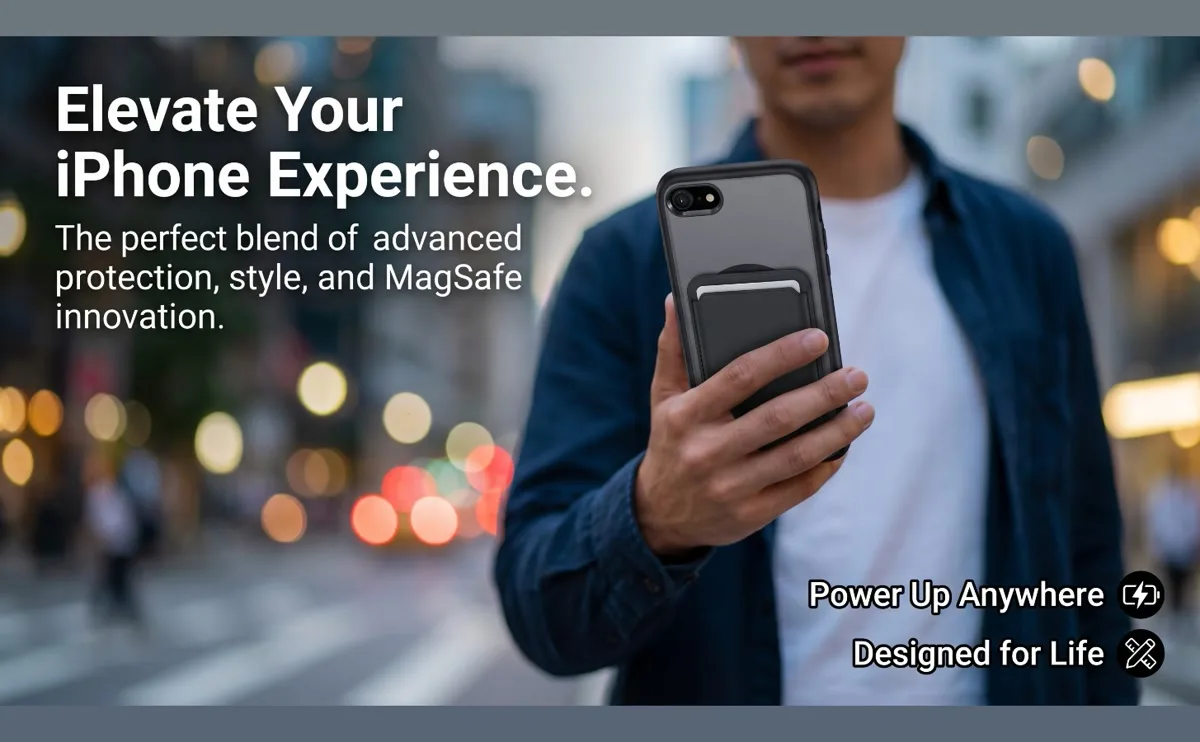
GreenOnion tip: AI tools like GreenOnion can generate the lifestyle scenes and banner imagery A+ Content requires in minutes, without a photography budget.
FAQ
Can I include competitor comparisons? Yes, without naming specific brands. Use 'Standard Alternative' or 'Competitor A' framing.
What visual style works best for electronics A+ Content? Clean, technical aesthetics — dark or neutral backgrounds, precise annotations. Warm lifestyle aesthetics look wrong for electronics.
How many infographic elements should each module have? Keep it focused — 3–5 key callouts per infographic. More elements reduce readability at the sizes A+ Content displays.
Build A+ Content without a photography budget
GreenOnion turns a single product photo into the lifestyle scenes, comparison banners, and feature visuals your A+ modules need.
Try A+ Content generation freeRelated Articles
How to Create A+ Content That Actually Sells (2026)
Learn how to create Amazon A+ Content that drives conversions — the 6-module structure, what each module must do, and common mistakes to avoid.
Amazon A+DIY A+ Content Layouts for Small Amazon Sellers (2026)
How small Amazon sellers create effective A+ Content without a design budget — layout selection, content strategy, and DIY approaches that convert.
Amazon A+Amazon A+ Content in 2026: New Guidelines & The 6-Module Framework for Higher Conversions
Amazon A+ Content is no longer optional — in 2026 it's a requirement for competitive ranking. This guide covers the latest guidelines, the 6-module conversion framework, and how to create a full set in minutes using AI.